My Process
Product design is chaotic. A repeatable process is what makes it succeed — for a molded part, a clinician app, or the lifecycle a whole team ships through.
I use the same six phases for physical and digital products, with different methods and deliverables on each track. Hired as a designer, I often end up building the infrastructure that lets product, UX, engineering, and leadership run this process together.
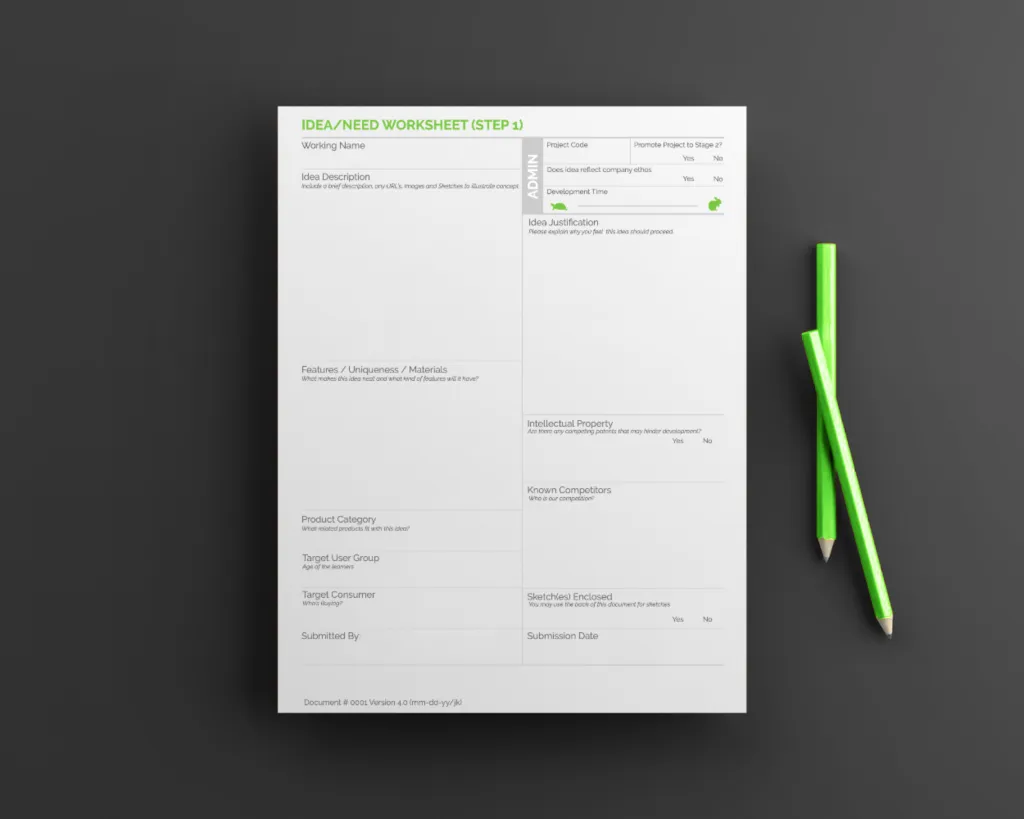
Define
Solidify a design brief with key stakeholders so the project keeps its trajectory.
Methods and deliverables
Questions
- What is the objective, and why should this product exist?
- What are the business goals and opportunities?
- Who is it for?
- What are the preliminary requirements and known constraints?
- When will it launch?
Understand
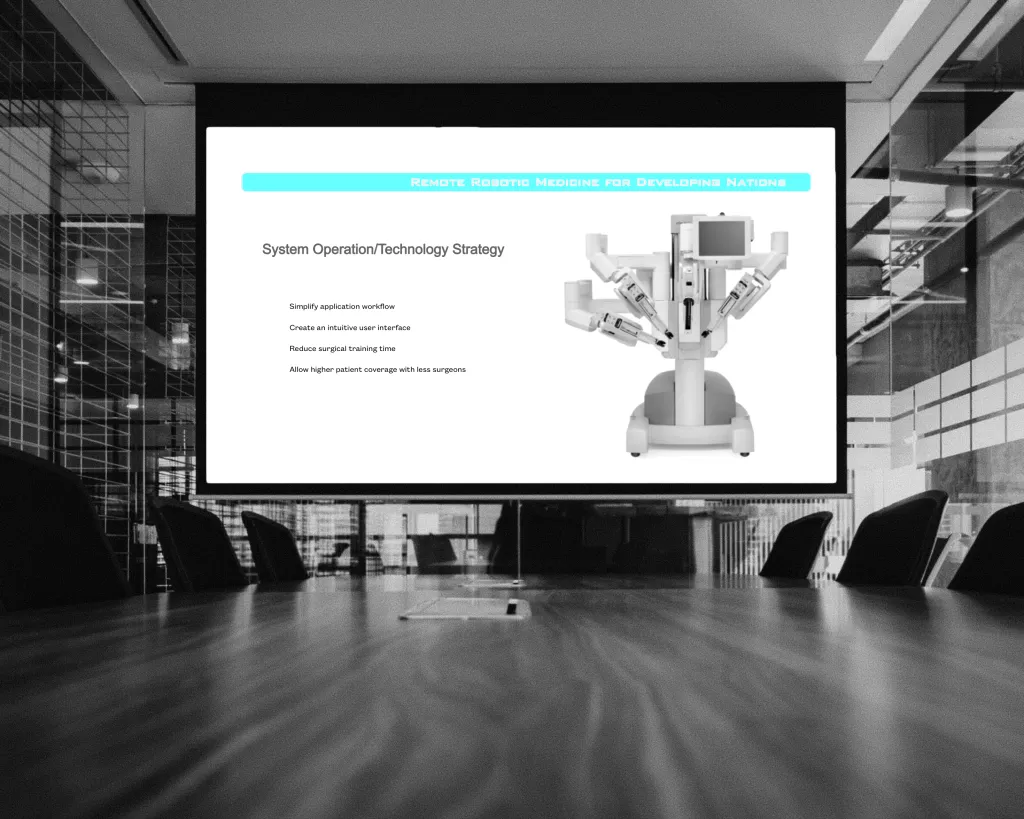
Research gives a foundation for informed design choices and exposes pitfalls early.
Methods and deliverables
Methods, chosen by circumstance
- Research plan
- Personas and mental models
- Interviews, observation, surveys, and feedback review
- Audits and formative usability testing
- Competitive and IP analysis, done after early concepts so existing solutions don’t anchor the work
- Analysis: success metrics, new risks, and whether the brief should change
Conceptualize
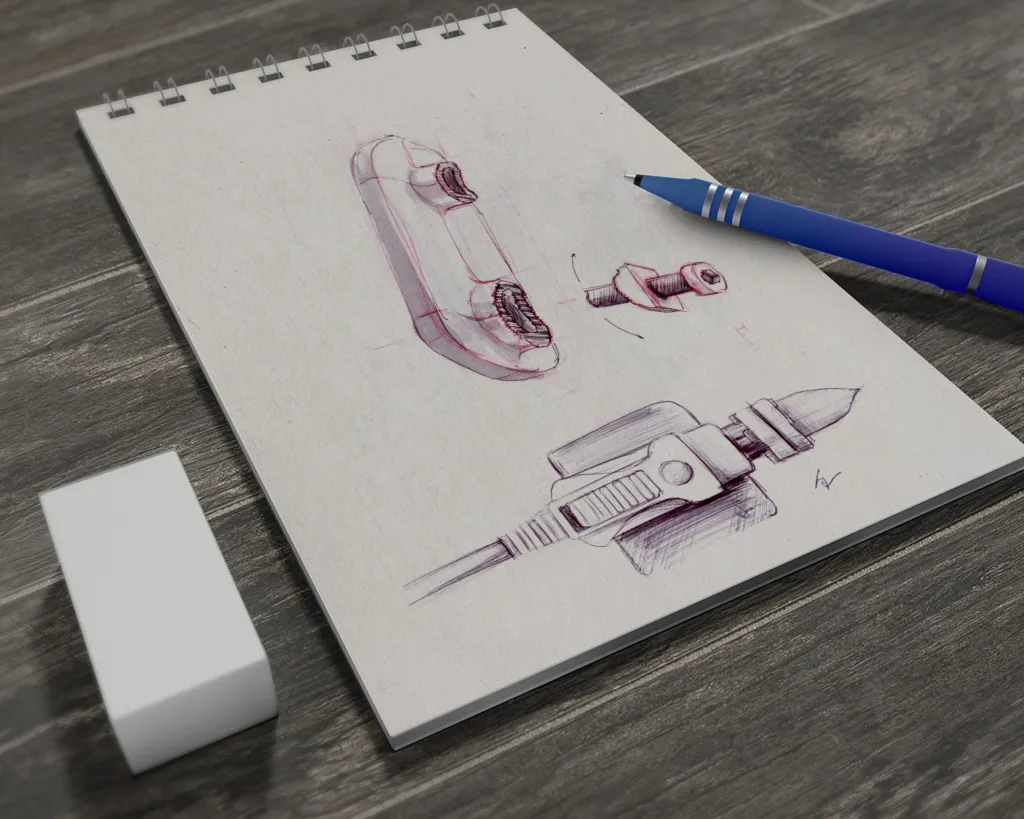
Brainstorming, mind mapping, and sketching feed prototypes. Validation runs inside this phase so effort isn’t spent at a dead end.
Methods and deliverables
Physical products
- Sketch models and 3-D prints
- Proofs of concept
- Renderings
Digital products
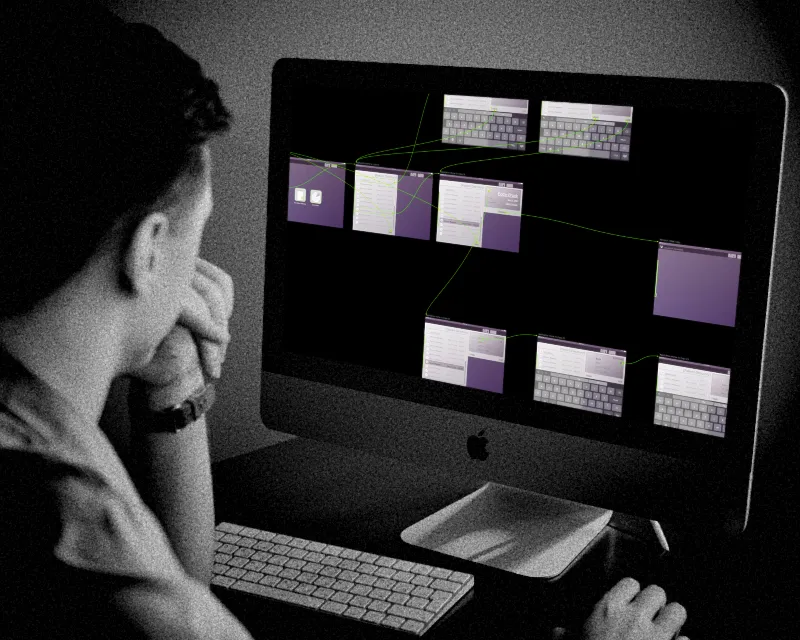
- Storyboards and user flows
- Wireframes (validation round 1)
- High-fidelity mockups (round 2)
- High-fidelity prototypes (round 3)
Validate
Research data and testing models quantify whether the concept works and the project is on track.
Methods and deliverables
Both tracks
- Test plan
- Benchmark testing and accessibility evaluation
- A/B tests and design review
- Usability feedback and testing review
Physical products
- Prototype tooling and first articles
- Mechanical testing, high-speed video analysis, FEA
- Static, dynamic, biochemical, and chemical testing
Digital products
- Usability testing at wireframe, mockup, and prototype fidelity
- Usability bug review
Implement
Serve engineering’s needs while making sure the project goals survive the build.
Methods and deliverables
Physical products
- Manufacturing plan and design transfer
- Manufacturing 3-D models, drawings, and first-article samples
- Marketing support: instruction illustrations, packaging, photography, renderings
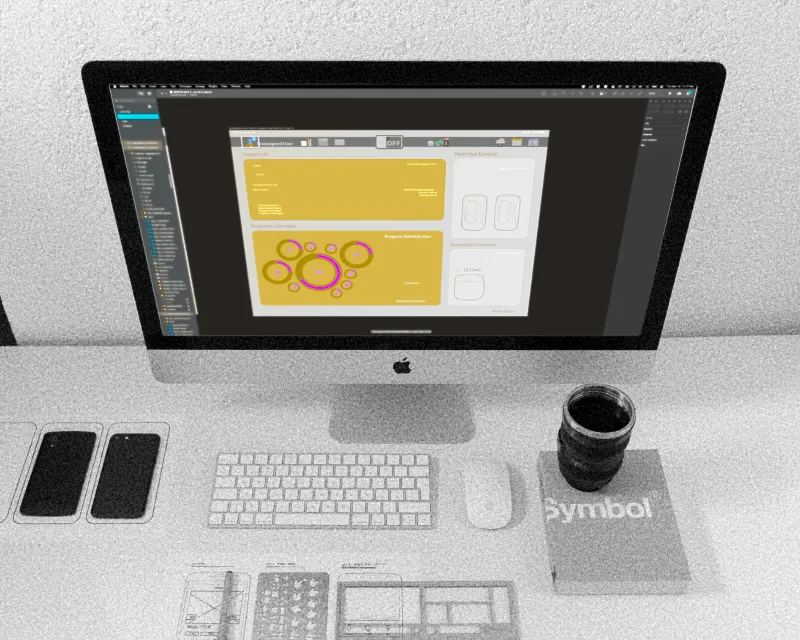
Digital products
- Style guide and asset library
- Interaction animations to guide engineering
- Design handoff specifications and state diagrams
- Components published into developer repositories
Review
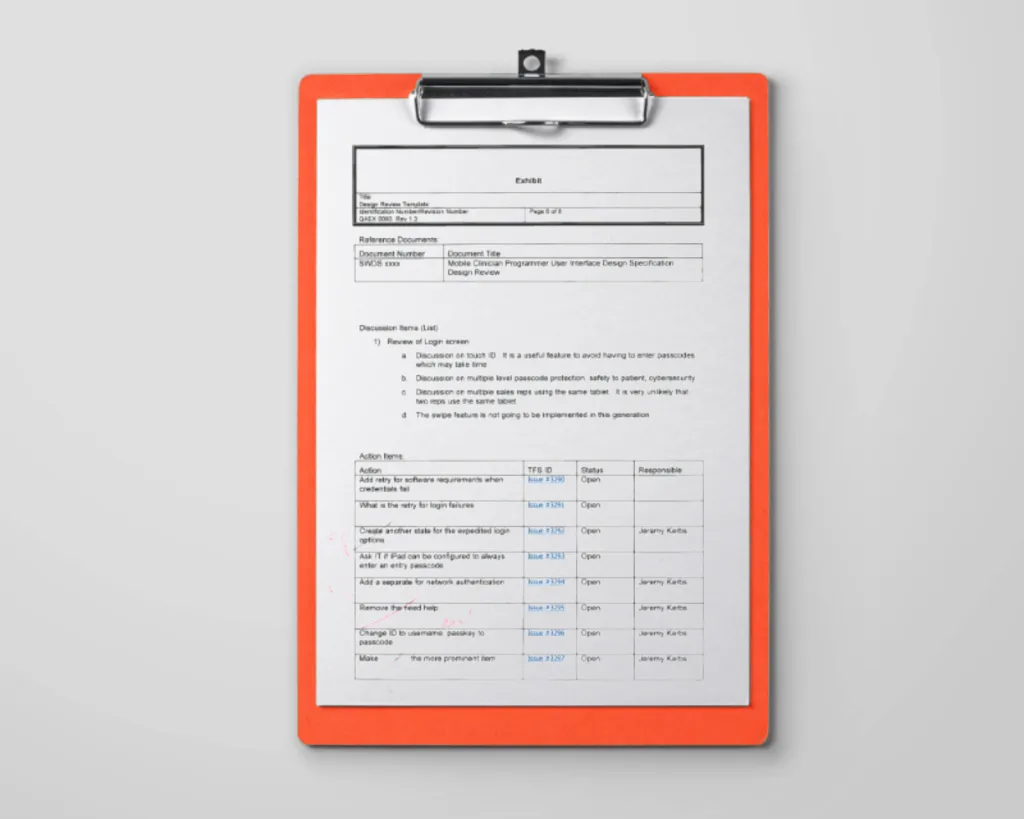
A project review improves the next one by naming mistakes and reinforcing what worked.
Methods and deliverables
Questions
- What did we learn?
- What compromises were made, and why?
- What should be different next time?
- How was the project successful?
How the process scales
Frame the system
Map constraints across usability, architecture, hardware, manufacturing, and maintainability before correcting downstream.
Prototype as authority
Working prototypes sell a complicated idea far better than static mock-ups. What the team can click, hold, or build against becomes the shared source of truth.
Connect design to code
Atomic design systems registered against engineering’s build system, with publishing pipelines that push components and icons into developer repositories.
Encode the process
AI-assisted workflows and internal tooling that let people and agents follow the same intake, criteria, review, and delivery rules across disciplines.
Philosophy
I close the gap between how people think and how machines work. Sketches, CAD, prototypes and process are just the tools for that.
- Follow the process
- Learn before deciding
- Know what each teammate does best
- Pride without ego
- Never trade function or usability for looks